Hard drives
My hard drive is clicking. What now?
What the clicking actually is, why powering the drive back on makes things worse, and what your realistic options are.
Kiwi Data Recovery is a specialist data recovery lab in Auckland. We recover files from failed hard drives, SSDs, MacBooks, iPhones and RAID systems.
Ten device types, one lab. Every job starts the same way: a diagnostic assessment at our bench in Auckland, a clear explanation of what failed, and a firm quote before any recovery work begins.
A diagnostic assessment from $230 - then a firm quote you're free to say no to.
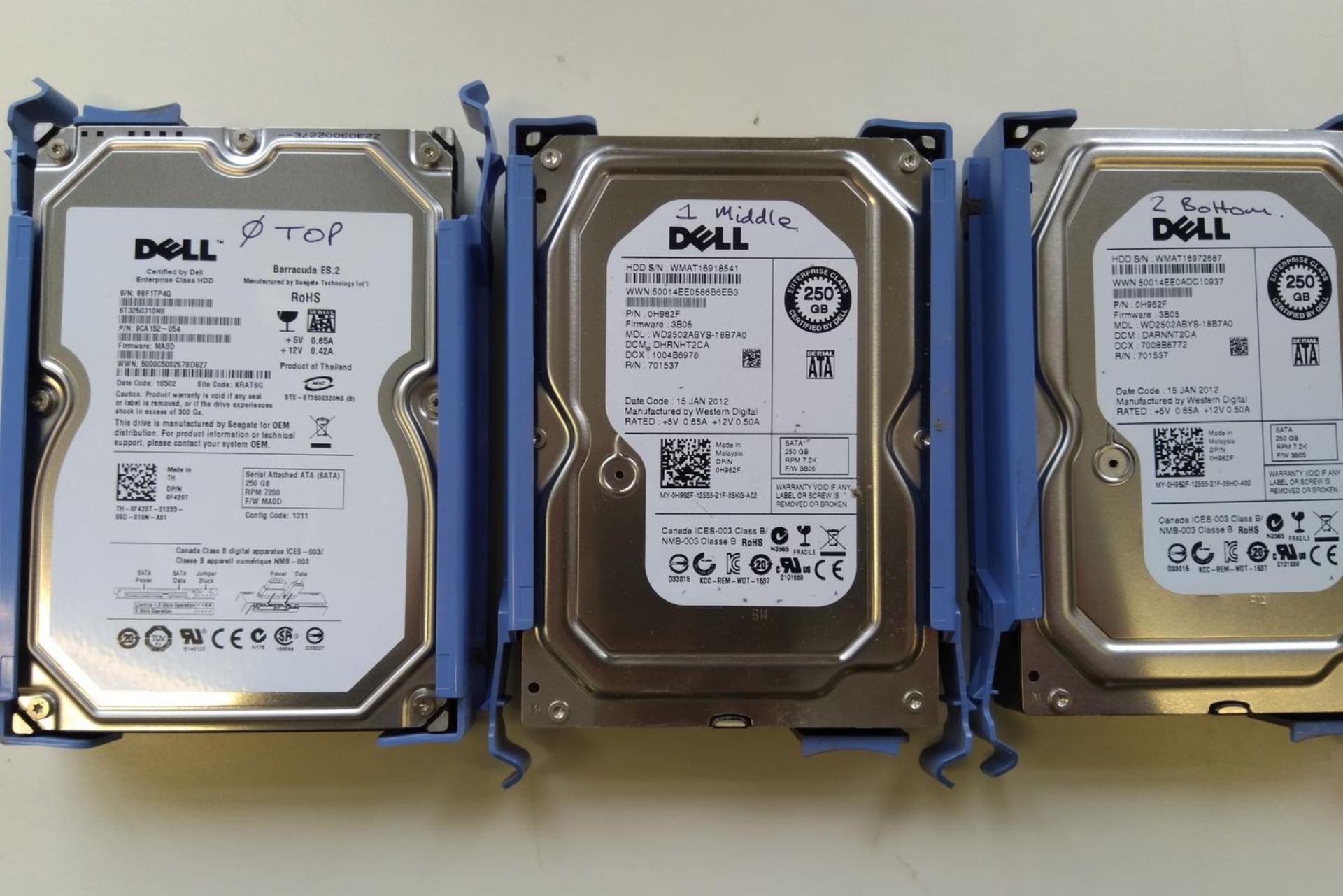
Data recovery is physical work. It happens at an ESD-safe bench with hardware imagers, donor parts and a lot of patience - not inside a piece of software. The photos on this page are our actual lab: our bench, our imaging hardware, the drives currently in the queue. No stock photography.
Unstable drives are never left to fight your operating system. We image them sector by sector on dedicated hardware that controls exactly how the drive is read, works around damaged areas, and stops before a weak drive is pushed past the point of no return. Recovery is then performed from the image - your original device is handled as little as possible.
Everything stays here. Your device isn't couriered on to a third party, and your data is handled by the same people you talk to on the phone.
You don't need to be in Auckland to use the lab. We take data recovery jobs by overnight courier from all over New Zealand - Wellington, Christchurch, Hamilton, Tauranga, Dunedin, and plenty of places a data recovery lab will never open in.
Tell us what the device is and what happened to it. We'll tell you honestly whether it's worth sending, and exactly how to pack it.
Bubble wrap inside a rigid box - not loose in a courier bag. Leave the device exactly as it is: don't open it, don't test it "one more time".
Courier it to the lab at 213 Dominion Road, Mount Eden, Auckland 1024. Tracked overnight services reach us from most of the country by the next working day.
Assessment, findings, firm quote. You approve or decline from wherever you are - your data and device come back by courier.
Every job starts with a diagnostic assessment, from $230. That's not a booking fee - it's the first stage of the recovery, and it's real work: isolating the fault, imaging what can safely be imaged, and establishing exactly what failed and what state your data is in.
We don't offer free diagnosis, and that's deliberate. A meaningful answer about a failed drive takes an engineer's time on real equipment, and "free" assessments are always paid for somewhere - usually inside the recovery prices of the customers who go ahead. We'd rather charge honestly for the diagnostic work, give every device a careful assessment instead of a quick guess, and quote without padding.
Recovery pricing depends on the fault, not the gigabytes. The quote you approve is the price you pay - no surprises at pickup.
What the assessment fee buys you
If you'd rather not go ahead, that's fine - you'll know exactly what you're dealing with, and the assessment fee is all you've spent.
Data recovery specialists since 2016, with a board-level electronics background - years spent inside dead MacBooks, failed drives and water-damaged phones. That matters, because this job rewards exactly that kind of experience: steady hands, disciplined process, and having seen the same faults hundreds of times before.
We're a small specialist team, not a franchise or a repair counter. The person who assesses your drive is the person you talk to about it, and when we tell you something is or isn't recoverable, that answer comes from the bench - not from a script.
Straight answers, written from the bench.
Hard drives
What the clicking actually is, why powering the drive back on makes things worse, and what your realistic options are.
DIY recovery
DIY tools have their place. How to tell whether your situation is one of them, before you gamble the only copy.
SSDs
No clicking, no warning - just gone. Why SSD recovery is a different job from hard drive recovery, and what to do when one dies.
Straight answers to the questions we're asked every week.
Every job starts with a diagnostic assessment from $230. Recovery itself is quoted after diagnosis, because the cost depends on the fault - recovering deleted files from a healthy drive is a very different job from rebuilding a dropped drive with donor parts. You'll always have a firm quote in front of you before any recovery work starts. Full details are on the pricing page.
Because the diagnosis is real work - engineer time on real equipment - and someone always pays for it. Businesses offering it free recover the cost somewhere, usually inside the recovery prices of the customers who proceed, which is one reason quotes in this industry can balloon after you've committed. Charging for the assessment lets us do it properly, give you an honest answer either way, and quote a firm price with no padding.
Assessment timeframes depend on the device and what's in the queue, so we'll give you a realistic one when you book. Recovery time after approval depends on the fault: some jobs finish within days, while mechanical failures needing donor parts can take longer. We'll give you a realistic timeframe with your quote.
Not necessarily. Clicking usually means a mechanical failure, and mechanical failures are often recoverable. What matters most is what happens next: every power-on can drag failed heads across the platters that hold your data. Switch it off, leave it off, and get it assessed. No honest lab will promise a result before diagnosis - but drives that arrive powered off and untouched give us the best possible starting point.
Sometimes that's reasonable. If you deleted files on a drive that's otherwise healthy, good software can work - run it from a different drive and recover to a different drive, never onto the one you're recovering from. But if the drive is clicking, isn't detected, was dropped, or keeps disconnecting, software can't fix what's physically wrong - and every scan pushes a failing drive closer to the end. If you're not sure which situation you're in, ring us before you try anything.
Often, yes - especially if the verdict came from a retail counter rather than a lab, or if nobody actually opened the drive. Plenty of drives written off elsewhere are recoverable with the right equipment. We'll also tell you plainly when something truly is gone: severely scored platters, data overwritten with new data, and some failed or encrypted SSDs are beyond any lab, anywhere. Either way, you'll get a straight answer.
You'll get a straight explanation of what failed and why recovery isn't possible, and your device back. The assessment fee covers the diagnostic work that produced that answer. Nobody can promise a recovery before diagnosis - we'd rather give you the truth than a sales pitch.
Yes. Your device stays in our Auckland lab, the work is done in-house by our own team, and your files are treated as confidential - accessed only as far as verifying the recovery requires. Recovered data is held on encrypted storage until you've confirmed you have it, then securely erased.
Our job is the data. Getting it back often involves repair-like work - board repairs, donor parts - but a drive that has failed once shouldn't be trusted with your files again. Recovered data is returned on new media, and we'll tell you honestly whether the original device has a future.
Yes - failed Synology and QNAP arrays, dead rebuilds and multi-drive failures are regular lab work. If an array has failed: power it down, don't force a rebuild, don't initialise anything, and if you remove drives, label their bay order. Then talk to us. More on the RAID, NAS & server recovery page.
The lab is at 213 Dominion Road, Mount Eden, Auckland 1024. If you're anywhere else in New Zealand, the overnight courier process is simple - here's how it works.
Whatever failed - and whatever you've been told so far - the next step is the same: a proper diagnostic assessment, from $230, and a firm quote you're free to say no to.
In Auckland: bring your device into the lab. Anywhere else in NZ: courier it to us overnight.